There is good advice and bad advice about cheap art supplies, and the difference is not price. Some inexpensive materials cost you nothing but money. Others teach you habits that take a year to unlearn.
Where cheap is fine
Sketchbooks, pencils, erasers, masking tape, brushes for anything that is not final work. Buy the inexpensive version and buy more of it — volume of practice beats quality of paper by a distance at every stage of learning.
Where cheap is expensive
Bad paper does not make your work look worse. It makes your technique look wrong, which is much harder to diagnose.
Watercolour paper is the clearest case. On cheap paper a correctly executed wash still buckles and blotches, so you conclude your wash is wrong and change something that was fine. You cannot learn from a material that lies to you.
The middle case: pigment
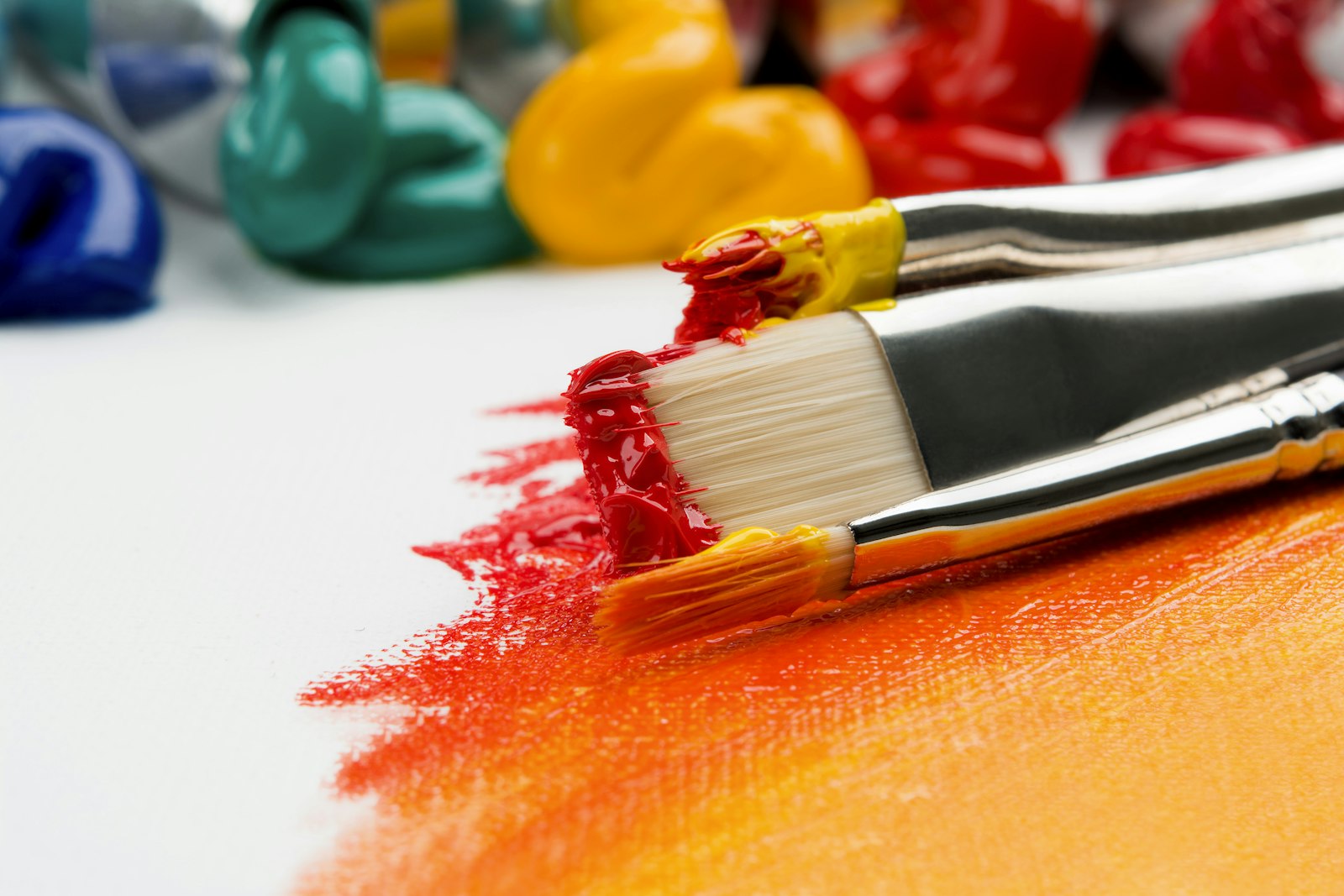
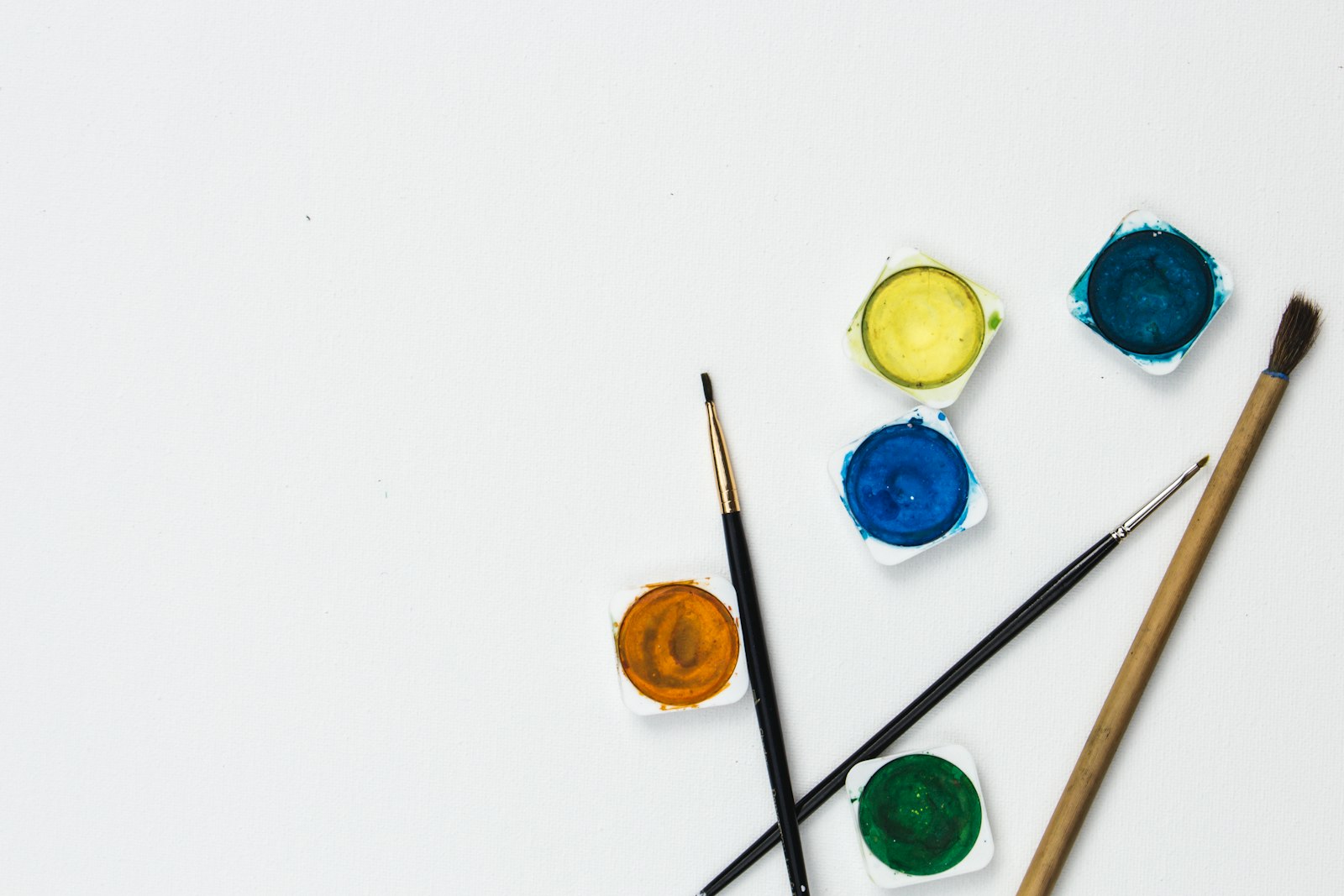
Student-grade paint is a reasonable compromise with one caveat — buy fewer colours of better paint rather than a large set of weak ones. Six pigments you understand will mix further than twenty-four you do not.