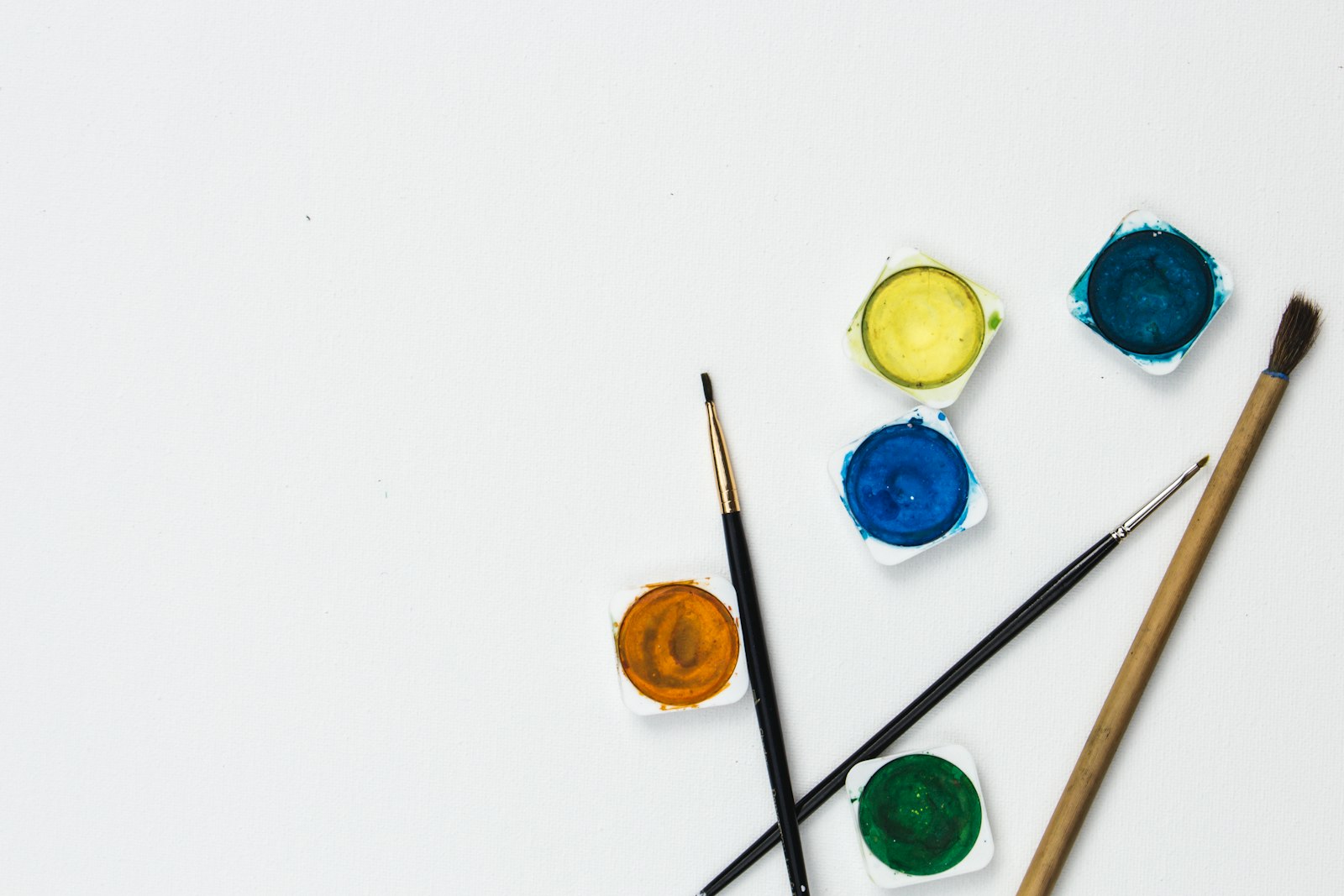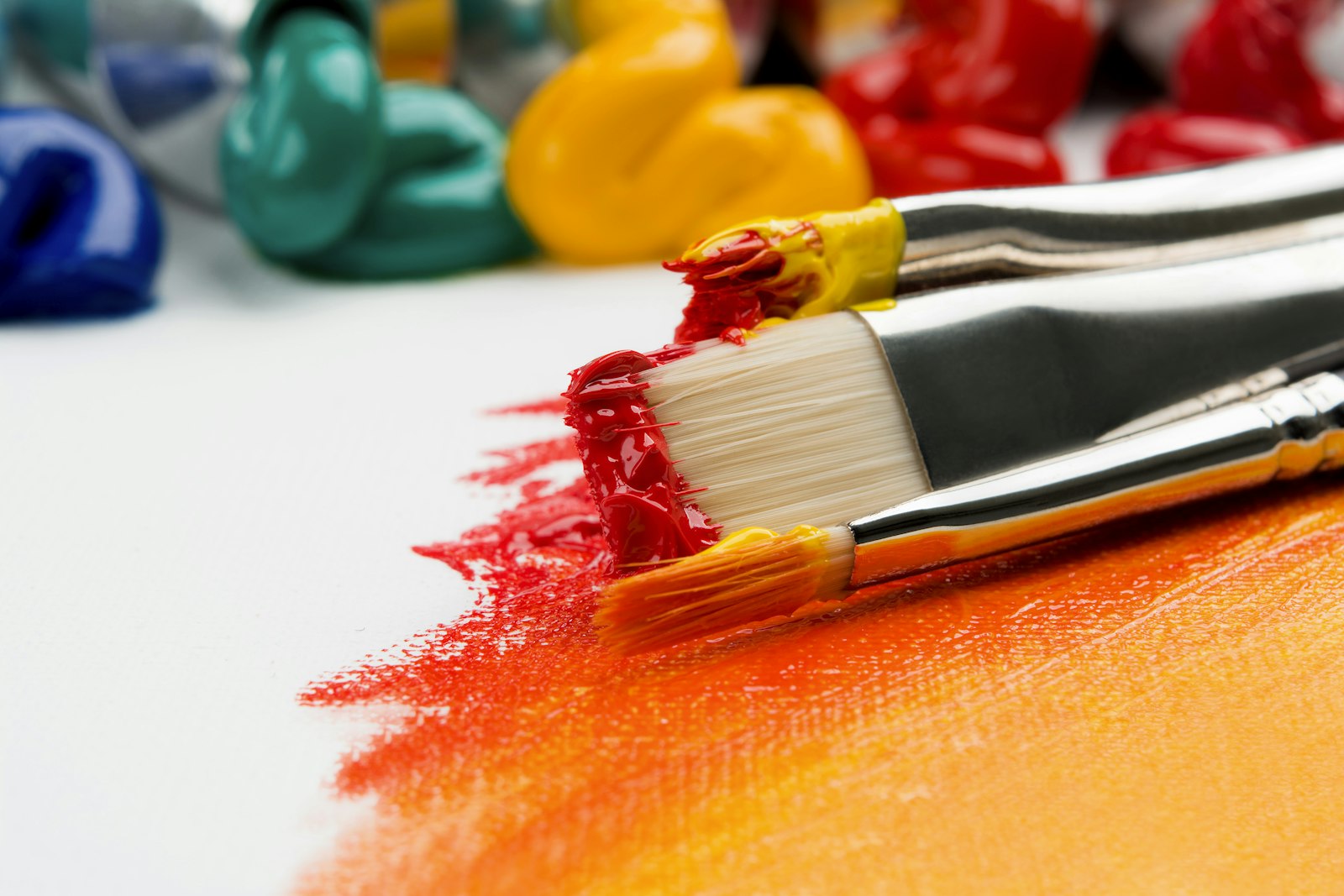
Most beginner watercolour courses teach about twenty techniques, which is roughly nineteen more than you can absorb in a week. Five, practised until they are boring, will take you further than a survey of everything.
One — controlling water, not pigment
Beginners think watercolour is about paint. It is about water: how much is on the brush, how much is on the paper, and which of the two is wetter. Almost every accident you dislike is a water ratio you did not intend.
Two — the flat wash
Boring, essential, and the fastest diagnostic there is. If your flat wash is streaky, the problem is angle, load, or speed, and you will meet the same problem in everything else you paint.
Three — wet on wet, deliberately
Wet on wet is not a loss of control. It is a different control, exercised earlier.
The decisions all move to before the brush lands: where the paper is damp, how damp, and in what shape. After that you are steering rather than drawing.
Four — reserving white
There is no white paint in watercolour worth the name. The white is the paper, which means every highlight is a decision made before the surrounding wash, not after. This is the technique that most changes how you plan a painting.
Five — stopping
The final technique is knowing when a passage is finished, which is almost always two strokes before you think. Watercolour punishes revisiting more than any other medium; the mud is permanent.